Jul 28, 2026 · 13 min read
Do Eyes Change Color? Babies, Light, and Real Changes
Do eyes change color? Learn when shifts are normal in babies, why hazel and lighting can mislead, and when eye color changes merit a check.
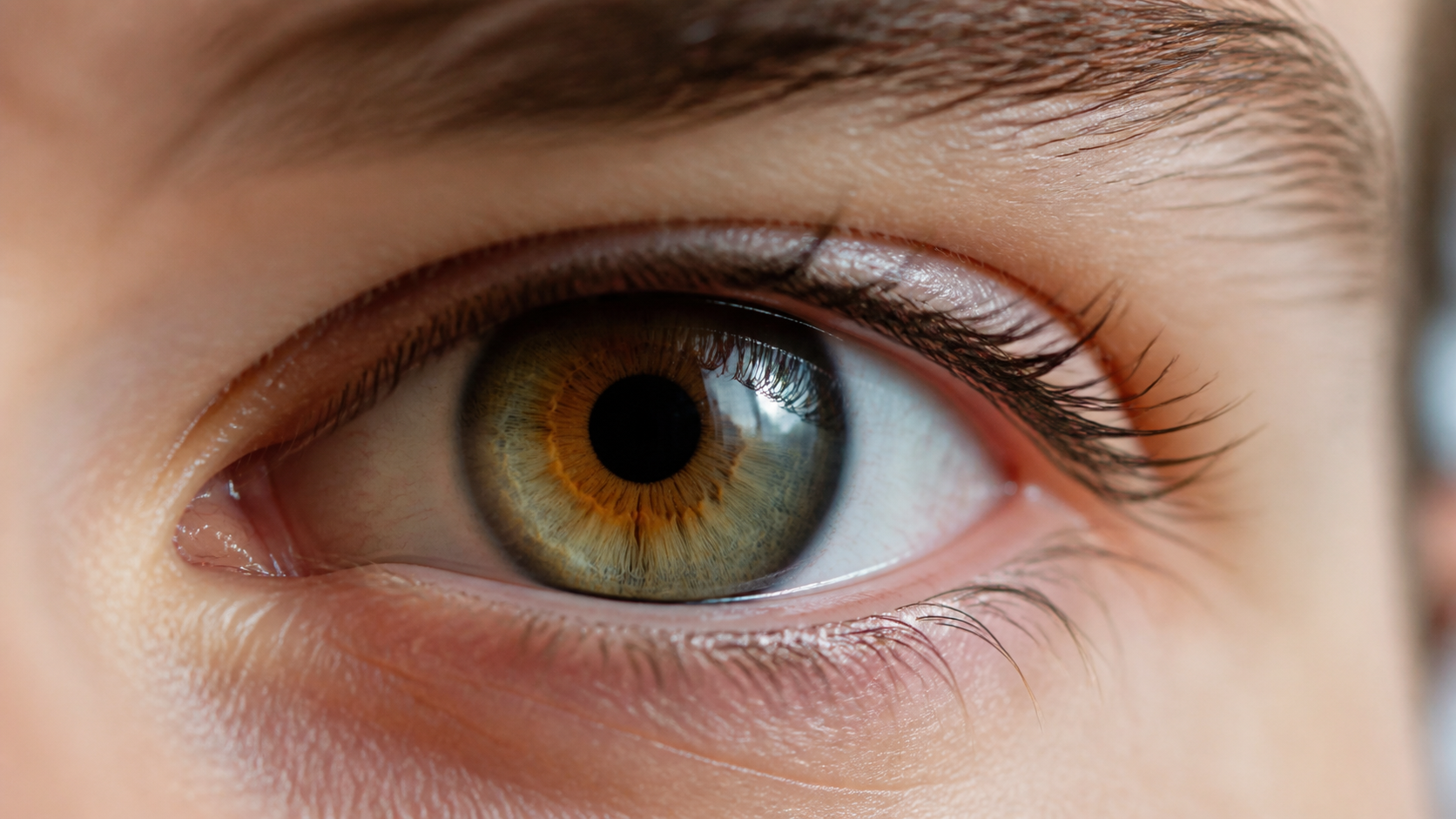
Do eyes change color? Yes, but usually only in specific ways. Baby eye color often shifts during the first year or two, hazel and lighter irises can look different under changing light, and a sudden real change in one or both eyes can sometimes signal a medical issue worth checking.
Do eyes change color naturally over a lifetime?
Sometimes, but not usually in a dramatic way after early childhood. Most eye color change happens in infancy, when the iris is still building its final pigment pattern. After that, the base eye color tends to stay stable, even if it appears different from day to day.
Eye color comes from melanin in the iris, especially the balance and distribution of eumelanin and pheomelanin. Genes such as OCA2 and HERC2 play a major role, with other genes including TYR and SLC24A4 also contributing. Brown eyes, the most common globally at about 79%, usually have more melanin. Blue eyes, about 8%, have less melanin and appear blue because of light scattering, often described through the Tyndall effect.
That matters because there are two different questions hidden inside the keyword:
- Did my actual iris pigment change?
- Did my eyes only look different today?
Those are not the same thing. A true pigment change is less common. A visual shift caused by light, clothing, camera settings, pupil size, or mixed-color irises is much more common.
What usually stays the same
For most adults, the iris color family remains stable. The six main families are:
- blue
- green
- hazel
- brown
- gray
- amber
Globally, these are not equally common. Brown eyes dominate at about 79%, blue around 8%, hazel around 5%, amber around 5%, green around 2%, and gray around 1%. That rarity pattern is one reason people pay close attention to subtle changes in lighter or mixed-color eyes.
What can appear to change
Even when the underlying color is stable, these factors can make eyes look different:
- daylight versus warm indoor light
- pupil dilation or constriction
- shadows from eyelids or lashes
- nearby colors, such as makeup or clothing
- camera white balance and phone image processing
- multi-toned irises, especially hazel, gray, and green
If your eyes seem to shift between greenish, gold, gray, or brown, appearance is often the explanation, not a new eye color.
Why do babies' eyes change color?
Baby eye color changes are the clearest example of normal eye color development. Many babies are born with eyes that look blue-gray or slate because melanin production in the iris is still ramping up after birth. Over time, the iris may deposit more pigment and the final color becomes easier to see.
When baby eye color usually settles
A baby’s eyes can start changing within the first several months. Many changes become noticeable between 6 and 12 months, and some continue into age 2 or 3. The timeline varies because genetics affects both how much melanin develops and where it concentrates in the iris.
This is why a newborn’s eye color is not a reliable predictor of adult eye color. Parents often assume light baby eyes will stay blue, but that is not always the case.
What is happening biologically
The iris contains pigment cells that produce melanin. As these cells become more active, the iris may move from a lighter early appearance toward blue, green, hazel, or brown. More melanin usually means a darker final result.
A simplified pattern often looks like this:
- Birth, eyes may appear blue-gray or muted.
- First 6 months, pigment starts becoming more obvious.
- 6 to 12 months, color may deepen or warm.
- 1 to 3 years, the final eye color often becomes more stable.
That process is normal. It is not usually a sign that anything is wrong.
Which babies are more likely to change
Babies with lighter early eye color often show the most visible change, simply because small increases in melanin are easier to notice. A shift from gray-blue to hazel or light brown can look dramatic in photos. By contrast, babies who already have dark brown eyes at birth may show less obvious change, even if the iris still matures.
If you want background on the underlying inheritance patterns, see our further reading on eye color genetics.
Can lighting make eyes look like they changed color?
Yes, absolutely. Lighting is one of the biggest reasons people ask, “do eyes change color?” The answer is often that the eyes did not truly change, but the way light interacted with the iris changed.
Why blue and gray eyes shift most in photos
Blue and gray eyes have relatively low melanin. Their appearance depends heavily on how light scatters within the iris structure. That means cool daylight, overcast light, flash photography, and warm indoor light can all produce very different-looking images.
A gray eye can look icy blue outdoors, then silver or even greenish indoors. If you are unsure which side of that line your eyes fall on, our blue eyes guide and gray eyes guide can help frame the difference.
Why hazel eyes seem especially changeable
Hazel eyes often contain a mix of green, brown, and gold tones, sometimes with a brown center and greener outer iris. That layered structure makes them look different depending on angle and illumination.
A hazel iris may appear:
- greener in cool natural light
- more golden in late afternoon sun
- browner in dim indoor light
- more contrasted when the pupil is small
This is one reason hazel is often misunderstood. If that is the area you are stuck on, compare hazel eyes with our green vs hazel comparison, or read further reading.
Camera processing can exaggerate the effect
Modern phones adjust contrast, saturation, and white balance automatically. Those corrections can make the same eyes look different from one photo to the next. A selfie by a sunny window and a rear-camera photo indoors are not a fair side-by-side test.
> If you want to know whether your eyes actually changed color, compare photos taken in the same lighting, with the same camera, from a similar distance, and without heavy filters.
Do hazel eyes really change color?
Hazel eyes usually do not change color in the sense of becoming a different iris type overnight. What changes is which part of the iris stands out most in a given moment.
Hazel is one of the hardest eye colors to classify because it sits between simpler single-dominant appearances. Instead of reading as one flat shade, it often shows mixed pigment and visible variation across the iris.
Why hazel looks different throughout the day
Several things influence how hazel is perceived:
- Pupil size. When the pupil expands or contracts, more or less of the central ring may be visible.
- Ambient light color. Cool light can pull out green. Warm light can pull out honey or brown.
- Surrounding contrast. Olive clothing, gold makeup, or a dark room can change what your eye color seems to emphasize.
- Iris patterning. Hazel often has radial streaks and color transitions rather than one even tone.
When hazel is confused with green, amber, or brown
Hazel overlaps visually with several nearby categories. People with hazel eyes are often told they have green eyes in one setting and brown eyes in another. Amber can create confusion too, especially when a golden iris has little visible green.
For more on the gold side of the spectrum, see our amber eyes guide and brown eyes guide. If your eyes seem to alternate between brown and hazel, further reading covers that distinction from a classification angle rather than a medical one.
Can eye color change in adults?
It can, but true adult eye color change is less common than people think. In most cases, adults notice apparent change rather than a lasting pigment shift.
Common non-medical reasons adults think their eyes changed
Adults often report eye color changes because of:
- aging, which can subtly affect contrast and iris appearance
- different lighting environments
- seasonal tanning or changes in surrounding skin tone
- medication effects on pupil size, which alter how the iris looks
- contact lenses, including lightly tinted lenses
- edited or filtered photos
These do not necessarily mean the iris itself changed.
Small gradual shifts versus sudden obvious change
A very subtle gradual shift over years may happen in some people, especially as the eye ages. But a sudden change, especially in just one eye, deserves more attention. The key issue is not whether change is possible. It is whether the pattern fits a normal visual effect or a true new iris appearance.
Cultural myths versus science
Some people say mood changes eye color. Strong emotion can change pupil size, and pupil size can change how much of the iris pattern you see. That can create a real visual difference, but it is not the same as the iris generating a new pigment color.
Personality claims around eye color are mostly cultural associations, not established science. A hazel eye that looks greener when someone is crying, tired, or in bright sunlight is not evidence that emotions rewrote their genetics.
When is a real eye color change medically worth checking?
This is the most important part of the question. Most day-to-day eye color differences are harmless appearance effects. But a real, noticeable change can sometimes point to an underlying eye condition, injury, inflammation, or medication effect.
Red flags to pay attention to
You should consider an eye exam if you notice:
- one eye becoming distinctly lighter or darker than before
- a sudden new color difference between the two eyes
- a new cloudy, whitish, or reddish appearance
- eye pain, light sensitivity, redness, or blurred vision along with color change
- a change after trauma or surgery
- a new ring, patch, or spreading spot on the iris
These signs do not automatically mean something serious is happening, but they are worth professional evaluation.
Conditions that can affect iris appearance
A few examples clinicians may consider include:
- Iritis or uveitis, inflammation that can alter the look of the iris and pupil
- Pigment dispersion or iris atrophy, which may change apparent color over time
- Certain glaucoma medications, especially some prostaglandin analogs, which are known to sometimes darken the iris
- Trauma, which can change iris structure or pigmentation
- Fuchs heterochromic iridocyclitis, a condition that can make one iris appear lighter
This article is not a diagnosis guide. The practical takeaway is simple. Sudden, one-sided, or symptom-linked changes should not be dismissed as “just lighting.”
Why one eye matters more than both eyes
If both eyes seem a little different in every new photo, the explanation is often environmental. If one eye changes in a lasting way, especially with discomfort or vision symptoms, that pattern is more likely to deserve prompt attention.
If your concern is long-standing natural variation between the two eyes, further reading explains heterochromia and its types.
How can you tell whether eye color really changed or just looks different?
The best approach is structured comparison. Most people rely on memory, and memory is poor at subtle color judgments. You need a repeatable way to check.
A simple at-home comparison method
Use this process before assuming your eye color changed:
- Take photos in indirect natural light, not direct sun.
- Use the same camera and avoid beauty filters.
- Keep a similar distance from the lens each time.
- Look straight ahead so the iris is fully visible.
- Compare images side by side rather than from memory.
- Note whether both eyes changed equally or only one did.
This method is especially useful for babies, hazel eyes, and people deciding between blue, gray, green, or amber-adjacent tones.
What true change tends to look like
A true change is more likely to show up consistently across multiple images and lighting conditions. It tends to persist over time rather than appearing only in one room or one camera mode.
A visual illusion, by contrast, often disappears when you standardize the photo conditions.
Why classification is hard with mixed-color irises
The iris is not always one flat color. Many eyes have flecks, rings, central heterochromia, or a darker limbal ring. That complexity makes labels harder. It also explains why eye color categories are useful shorthand rather than perfect boxes.
For a side-by-side comparison of similar light eyes, see blue vs gray. If you are trying to decide whether your eye color reads more green or blue in different settings, our green eyes guide is a useful reference point.
How the Eye Color Identifier helps
When people ask, “do eyes change color,” what they usually need is a consistent comparison method. That is where the Eye Color Identifier can help. Instead of relying only on memory or on one flattering photo, you can compare clear snapshots over time and see whether your eyes are reading as the same color family under similar conditions.
This is especially useful for:
- tracking baby eye color as it settles
- checking whether hazel eyes only look different in new lighting
- comparing older and newer images side by side
- reducing confusion between blue and gray, or green and hazel
Photos and data are kept secure, and photos are not stored. The tool does not diagnose eye disease, but it can help you document whether a perceived eye color change is consistent across multiple images.
If you want a broader starting point, you can also identify your eye color or try the AI eye color test to compare how your iris reads in different photos.
Why are some eye colors more likely to seem changeable?
Lighter and mixed-color eyes tend to produce more “did my eyes change color?” searches because they are visually more reactive to environment. That does not mean darker eyes never appear different, but the effect is usually more obvious in low-melanin or multi-toned irises.
Blue and gray
Blue and gray eyes are rare enough to attract attention, about 8% and 1% globally. Because both rely heavily on light interaction rather than heavy pigment, they can look very different across settings. Gray, in particular, often overlaps visually with blue, green, and even silver tones.
Green and hazel
Green eyes are about 2% globally. Hazel is around 5%. Both can contain varied melanin distribution, and hazel often includes brown or gold near the pupil with greener tones farther out. That variability makes people read them differently from photo to photo.
Amber
Amber eyes, also about 5%, are often described as golden, coppery, or honey-toned. In some lighting they can be mistaken for light brown or hazel. The distinction often comes down to whether the iris looks solid golden versus mixed green-brown.
If your eye color sits in these edge cases, classification gets easier when you compare multiple images instead of one favorite selfie.
Frequently asked questions
Do eyes change color with mood?
Not in the sense of creating new iris pigment. Mood and emotion can affect pupil size, and that can make the eye color look different for a moment. The effect is visual, not a true rewrite of your baseline eye color.
At what age do babies' eyes stop changing color?
Many babies' eyes settle between 6 and 12 months, but changes can continue into age 2 or 3. The timing depends on how melanin develops in the iris and on genetics involving genes such as OCA2 and HERC2. A baby eye color change during this window is usually normal.
Can brown eyes change to hazel or green later in life?
A true shift from brown eyes to hazel or green in adulthood is not common. More often, the eyes were always multi-toned and are being seen differently under new lighting or camera conditions. If a real change seems sudden or one-sided, it is worth getting checked.
Why do my hazel eyes look green sometimes?
Hazel eyes often contain green, gold, and brown elements at the same time. Cool natural light can emphasize the green tones, while warm or dim light may emphasize brown or honey tones. That is why hazel eyes are among the most changeable-looking eye colors.
Is it normal for one eye to change color?
A small lifelong difference between eyes can be natural, especially in heterochromia. But if one eye changes color suddenly or along with pain, redness, or blurred vision, that is medically worth checking. One-sided change is more concerning than a mild overall shift in appearance across both eyes.
Can medications change eye color?
Yes, some medications can affect iris appearance, and certain glaucoma drugs are known to sometimes darken the iris. This is a true eye color change rather than a simple lighting effect. If you notice a change after starting a medication, ask the prescribing clinician or an eye doctor.
Identify your eye color now
If you are still wondering, “do eyes change color,” the best next step is to compare your eyes under consistent conditions. Use the Eye Color Identifier to check clear photos side by side and see whether you are looking at a real eye color change, a baby eye color shift, or a lighting effect.
Try the Eye Color Identifier
Find your eye color in seconds. Your data is kept secure — we don't store your data.
More articles
Rare Eye Color Combinations: Heterochromia and More
Rare eye color combinations include heterochromia, central rings, and sectoral patterns. Learn how they form and how to classify them clearly.
Eye Color Identifier: What Eye Color Am I, Really?
Eye color identifier guide: learn how AI answers “What eye color am I?”, why eyes get mislabeled, and what genetics can and cannot tell you.
Two Different Colored Eyes Explained: Heterochromia Types
Two different colored eyes can result from heterochromia. Learn the types, causes, rarity, and when color changes need a doctor visit.